
Dealing with a dull throb that's been building for days? Dentist Open Now connects you with a specialist in Bothell, WA who treats this specific issue every week, not occasionally.
One call gets you matched with a specialist and a confirmed time — not a callback promise.
+1-866-227-2801 Call Now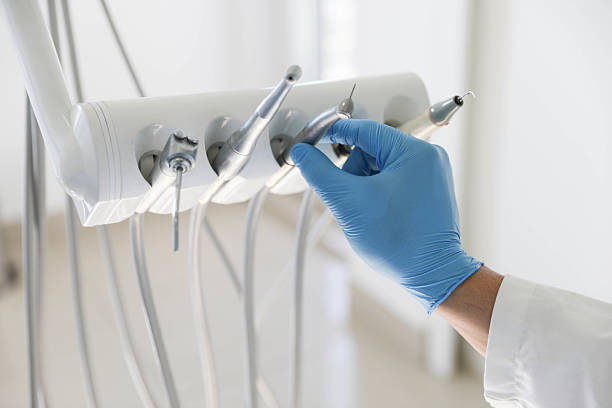
A root canal becomes necessary when the soft tissue inside a tooth — the pulp, containing nerves and blood vessels — becomes infected or inflamed, usually from deep decay or a crack reaching the tooth's interior. Cleaning out the infected tissue and sealing the canal system is what stops the infection from spreading to the bone around the root. Despite its reputation, most patients report the procedure itself feels similar to getting a routine filling.
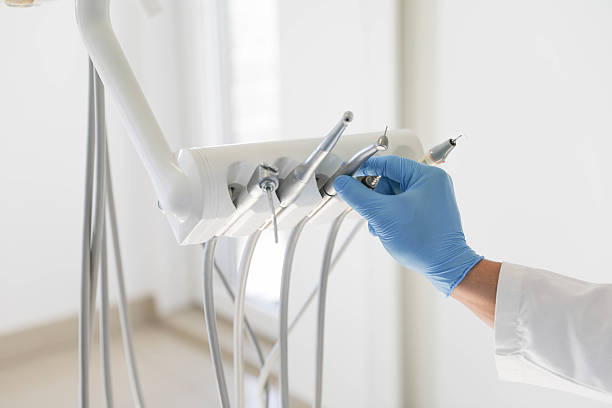
Modern rotary instruments and digital apex locators let an endodontist clean the canal system more precisely than older hand-file methods. A crown is usually needed afterward, since a root-canaled tooth becomes more brittle and prone to fracture under normal biting force.
Removing the infected nerve tissue is exactly what stops the pain signal at its source, not just masks it temporarily. Patients often notice they can't feel temperature in that tooth anymore, which is expected rather than a sign something's wrong.
Cases involving curved or calcified canals are routed to a specialist experienced with that anatomy.
Precise digital measurement replaces older estimation methods for cleaning the full canal length.
Same-visit completion is common for teeth without complicating factors like severe curvature or infection.
Local anesthesia keeps the procedure comfortable, and post-treatment pain is typically mild and short-lived.
Whatever the specifics of your case, the specialist you reach through us has handled it before.
The core procedure for saving a tooth with infected or dying nerve tissue.
Reopens and recleans a previously treated tooth that's become reinfected or didn't heal properly.
Molars often have three or four canals, requiring more precise mapping and cleaning than front teeth.
{A crown is fitted after canal treatment to protect the now-brittle tooth from fracturing.|Restores full chewing function and prevents the treated tooth from cracking under normal bite force.}

Severe pain or swelling from an infected pulp is treated urgently, often the same day.
A minor surgical option when infection persists at the root tip after a standard root canal.
You describe what's going on; no automated menu, no long hold.
We match you with a nearby specialist experienced in this exact procedure and check real-time openings.
The specialist examines your case, often with same-visit X-rays, and gives you a cost estimate before starting anything.
You leave with the issue addressed and a plan for any next steps already scheduled.
"Explained every step before doing anything. First time a dental visit didn't feel rushed."
"Got in faster than I expected for something this specific. Staff were sharp and direct."
"Price they quoted on the phone matched the invoice exactly. No surprise charges."
The pain people associate with root canals is usually from the infection beforehand, not the treatment itself.
Many straightforward cases are completed in a single visit; complex cases may need two appointments.
Most back teeth need a crown afterward since the tooth becomes more brittle without its blood supply.
Untreated infection can spread to the jawbone and surrounding teeth, and the tooth is often eventually lost.
Failure is uncommon but possible; retreatment or apicoectomy can often still save the tooth.
Cost varies by tooth location and canal complexity — molars typically cost more than front teeth.
Our coverage spans Bothell and its surrounding area, matching you with the closest available specialist.
Licensed to practice in WA, credential-checked before joining the network.
A short phone call is all it takes to get this on the calendar this week.
Call +1-866-227-2801 Now